Insights and updates on our mobile and web development and UX-UI. Thoughts on web design and a few things we love: Node.js, JavaScript, Typescript, React, Python, Django, iOS, Android, Docker, and Kubernetes. Innovation in health and wellness app development.

Why AI Coding Tools Pay Off for Senior Engineers (and Quietly Underperform for Everyone Else)

Written by
Andrew ManshinAndrew Manshin
on June 1, 2026
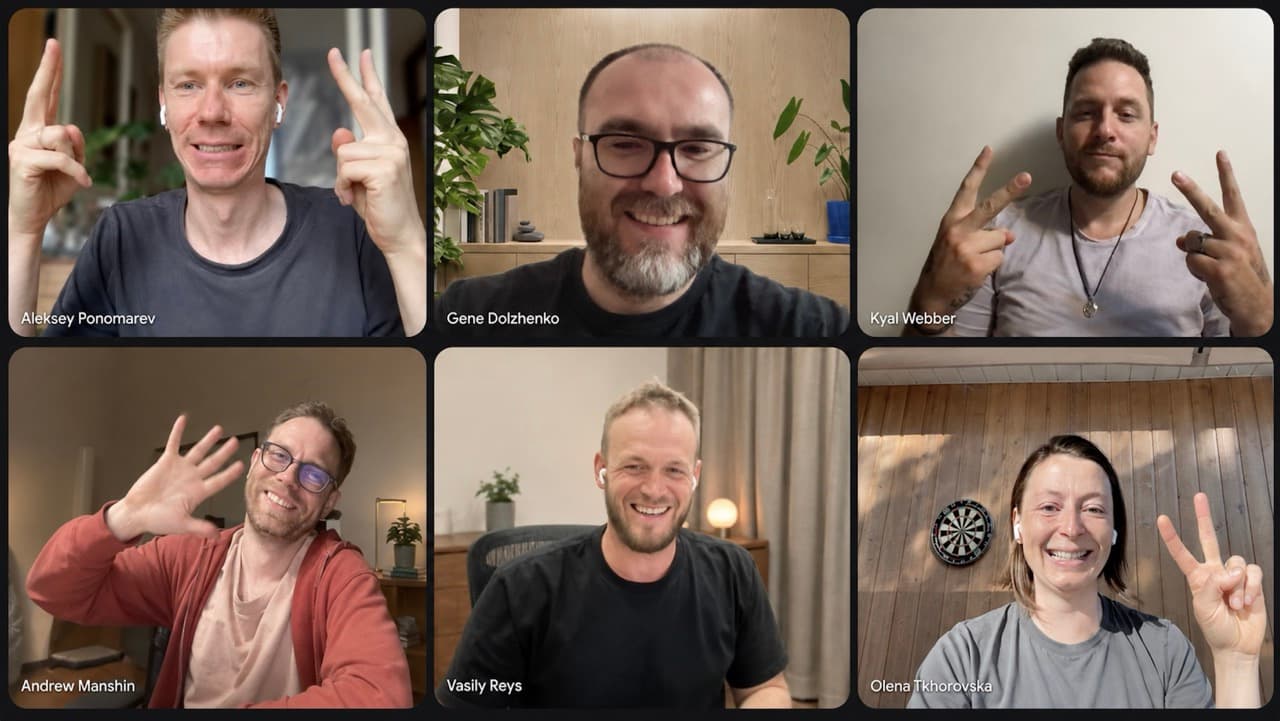
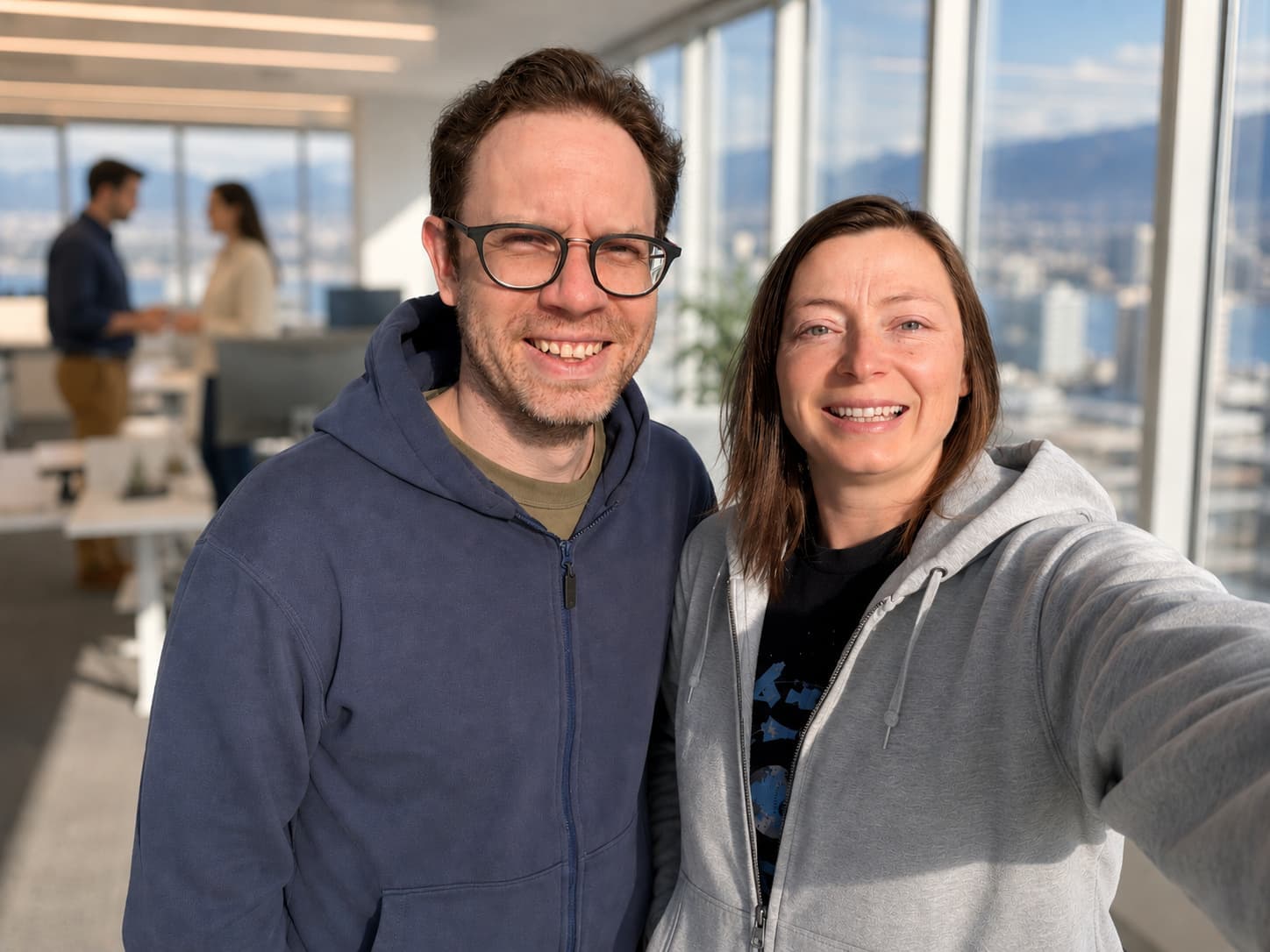
Andrew and Olena reviewing AI tool work process and productivity gains

Andrew and Olena review the gains of AI tools in their work at Pieoneers

Adoption of AI coding tools has reached near-universal levels. The Stack Overflow 2025 Developer Survey, released late last year and treated across the industry as the 2026 reference, found that 84 percent of developers are using or plan to use AI tools, with 51 percent of professionals using them daily.

Trust is moving in the opposite direction. The same survey found that developer trust in AI accuracy fell from 40 percent in prior years to 29 percent. Experienced developers were the most skeptical of all, with only 2.6 percent reporting high trust in AI output and 20 percent reporting high distrust.

Both of those statements are true at the same time. The most-used class of developer tools in history is also the least-trusted by the people who use it most. And yet the same period has produced some of the most striking modernization results the industry has ever measured.

Continue reading

App Development With Claude Code: How Lean Senior Teams and Clients Ship Production Apps Together

Written by
Olena TkhorovskaOlena Tkhorovska
on May 12, 2026
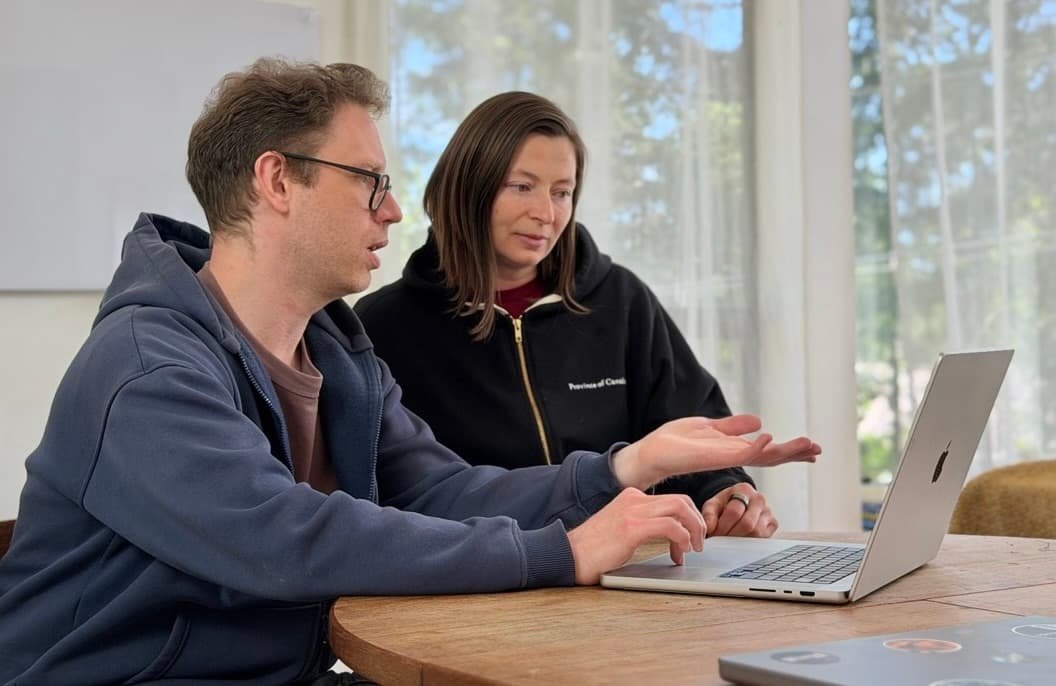
Pieoneers co-founders Olena and Andrew working through an app development workflow

Pieoneers co-founders Olena and Andrew working through an app development workflow

Over the past several months at Pieoneers, the way we work with clients has changed. Across our recent engagements, with both technical and non-technical clients. A senior team of two or three is now handling work that would previously have required more people, more hand-offs, and longer delivery cycles. The workflow underneath has converged around the same tools: Claude Code, and in some cases Codex. A recent Harvard working paper tracking 65 million workers across more than 280,000 U.S. firms found that junior employment at GenAI-adopting firms declined by roughly 8 to 9 percent, while senior employment remained steady or continued to grow. The economics now favour leaner, more senior teams. This post is about what that looks like inside a real app development engagement.

Continue reading

Small Audience, Big Standards: Why Niche Software Demands Senior Engineering

Written by
Olena TkhorovskaOlena Tkhorovska
on April 12, 2026

AI has made custom software cheaper to build – but not cheaper to get wrong. For applications serving small, defined audiences, there's no large user base to absorb a bad release, no margin for architectural shortcuts, and no escaping the same security and compliance bar that applies to enterprise software. This post examines why niche software raises the engineering standard rather than lowering it, and what that means for teams building in the current AI-accelerated development landscape.

Continue reading

Gonka: Launching Decentralized AI GPU Node with Claude Code

Written by
Olena TkhorovskaOlena Tkhorovska
on January 12, 2026
Pieoneers: Setting up a decentralized AI network with Claude Code

Discover how Pieoneers deployed a decentralized AI GPU node on Gonka.ai – entirely with Claude Code. From debugging Docker crashes to building a real-time monitoring dashboard in hours, see how agentic AI is transforming infrastructure development and delivering real efficiency gains for clients.

Continue reading

Artificial intelligence in healthcare: A Revolution in Progress

Written by
Alex DolzhenkoAlex Dolzhenko
on June 16, 2025
Background cover for AI in Healthcare blog-post

The healthcare landscape is undergoing a profound transformation, and at the heart of this revolution lies Artificial Intelligence (AI). Far from being a futuristic concept, AI is already making significant strides in improving patient care, streamlining operations, and accelerating medical breakthroughs. For decades, the idea of machines assisting doctors might have seemed like science fiction. Today, however, AI is no longer a hypothetical. From assisting with complex diagnoses to personalizing treatment plans and even powering the development of new drugs, AI is rapidly becoming an indispensable tool for medical professionals and a game-changer for patients.

Continue reading