Privacy planned in, not patched on
We map which laws apply in discovery: PIPEDA and provincial acts in Canada, HIPAA when you handle US patient data. Access control, encryption and hosting regions are set before the first screen is built.

AI, Web and Mobile App Development Company
Health apps and platforms built for real patient data.
Pieoneers is a healthtech development company that designs and builds health and wellness apps, patient-data platforms and clinic tools for startups and healthcare companies across Canada and the US. A senior Vancouver team plans for privacy from the first workshop, connects your product to health data and medical imaging, and stays on after launch.
4.9 / 5
30+ verified reviews on Clutch
2009
Building web and mobile products in Vancouver
50+
Client projects launched
#3
Healthcare app developers in Canada, The Manifest
Featured HealthTech project
Medical imagingTechnician platform and app integrationVancouver, BC
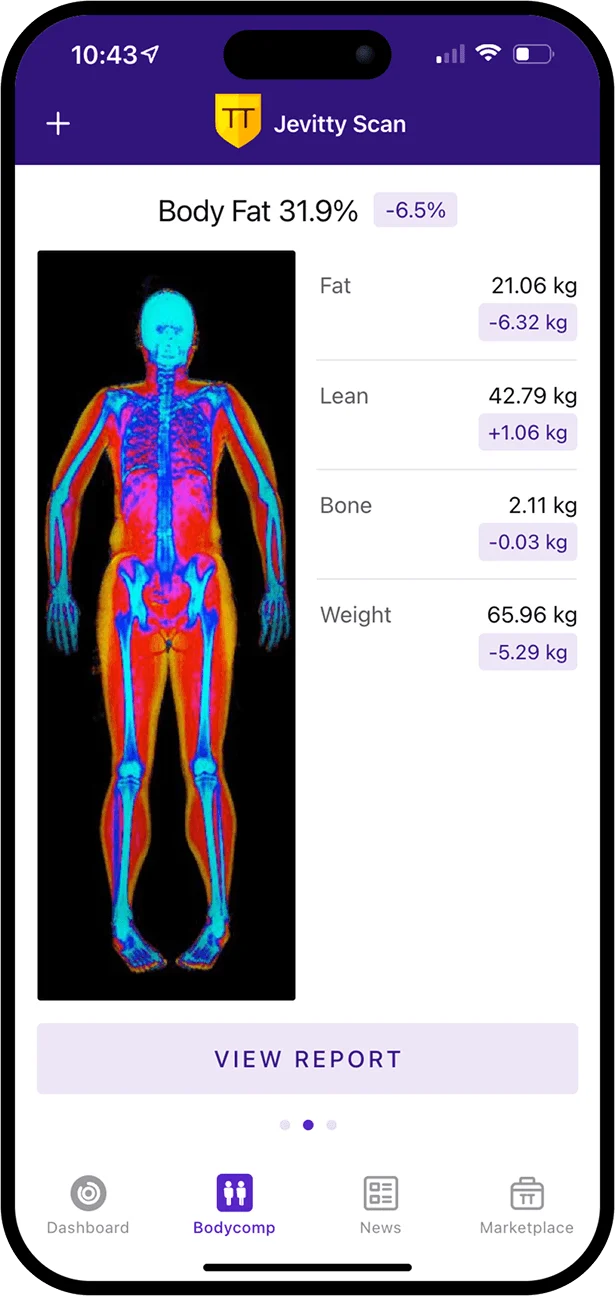
Bodycomp Imaging runs DEXA body composition scans on Hologic scanners, measuring body fat, lean muscle mass and bone density. After Jevitty Life Science Corp. acquired the company, we built a secure platform where technicians manage patient scans and reports, connected it to the Jevitty app through an API, and rebuilt the website under the new Jevitty Scan brand.
1
secure API delivering scans and reports to the Jevitty app
2
factors of authentication on every staff sign-in
5
steps from the scanning bed to the report in the patient's app
“The Pieoneers team ensured a smooth integration, enhancing the overall value of our app while staying true to our mission.”
Why a healthtech team
Health products fail on details a general agency rarely meets: where patient data lives, who can see it, and how it moves between apps, devices and clinics. We have solved those details in shipped products.
We map which laws apply in discovery: PIPEDA and provincial acts in Canada, HIPAA when you handle US patient data. Access control, encryption and hosting regions are set before the first screen is built.
Apple Health, wearables, FHIR data stores and medical imaging systems: we have integrated each of them, so your product shows people their data in one place instead of five.
Therapists in session, technicians at the scanner, patients at home: we run UX workshops with the people who use the product, then design interfaces that fit their day.
Strategy, UX, native and cross-platform mobile, web platforms, backend, QA and DevOps in one team, so the app, the admin panel and the API are designed together.
Services
Launch a new health product, connect your data, or bring an existing platform up to the standard your users expect.
iOS and Android apps for prevention, fitness, mental health and longevity, from the first workshop and clickable prototype to both app stores.
Mobile app development →Web platforms for clinics, labs and imaging centres: staff dashboards, patient records, report uploads and secure sharing with patient apps.
Full-stack development →Apple Health, wearables, FHIR servers, imaging systems and partner APIs, connected through documented, access-controlled APIs.
Summaries, insights and assistants built on models from OpenAI and Anthropic, with clear limits on what data goes to a model and human review where it matters.
AI development →A code and security audit of an existing product: access control, data storage, dependencies and logging, with a prioritized list of fixes.
Code review & security audit →Previous vendor gone or the platform showing its age? We stabilize it, move it to supported infrastructure and keep it running while we improve it.
Legacy system modernization →Features we build
Features we have built for health clients, with the tools we used for them.
Patients view their scan images and reports inside the app.
REST API · Hologic DEXA reportsDifferences between past and current scans, shown side by side.
Scan deltas API · Python · DjangoScan reports turned into structured data, without manual entry.
Smart PDF parsing · PythonActivity, sleep and vitals pulled from the phone with the user's consent.
HealthKit · SwiftUIReal-time data from wearables turned into personal health insights.
Google Cloud · Firebase · Google Cloud HealthcareHealth records stored in a standard format other systems can read.
Aidbox · FHIRTwo-factor sign-in and role-based access for clinicians and admins.
Django · PostgreSQL · Google CloudSession notes protected behind Face ID on iPad and iPhone.
Face ID · SwiftTherapists write notes with Apple Pencil during a session.
PencilKit · SwiftUIChoosing a partner
What changes when the team building your product has shipped health software before.
| Compared on | Pieoneers | General app agency | Freelancers |
|---|---|---|---|
| Health projects in production | Jevitty, Jevitty Scan by Bodycomp, Sessions | Varies | Varies |
| Privacy and data residency | Planned in discovery | Often added before launch | Depends on the individual |
| Health data integrations | HealthKit, wearables, FHIR, medical imaging | Usually learned on your project | Usually one platform |
| Team | Senior UX, mobile, web, backend, PM and QA | Mixed seniority | One or two people |
| After launch | Monitoring, maintenance and new features | Separate support contract | Availability varies |
Choosing the platform as well? Compare native iOS, native Android, React Native and Flutter.
How we work
Weekly video check-ins, daily updates in Basecamp, designs in Figma and documents shared through secure channels.
Step 1
Step 2
Step 3
Step 4
Your team
You work directly with the engineers who plan, design and build your product, not with account managers.

CTO, System Architect
Sets the technical direction and architecture for every project, from the first estimate to production.

Full-Stack Developer, engineering lead
Leads engineering on client projects, from the mobile app to the backend and infrastructure.

UX, Web and Mobile Developer
Connects UX and engineering, building interfaces that feel at home on both iOS and Android.
Get started
Whatever the stage, the first step is a free consultation with a senior engineer and our product manager.
We help define the MVP, the data it handles and the laws that apply, then send an estimate.
We review the code and data handling and outline a plan to stabilize, secure or extend it.
We map how records, scans and reports move today and what a secure platform would change.
HealthTech portfolio

Innovative mobile application and web platform with integration to medical imaging and health data

Patient portal and web platform for Bodycomp Imaging–a leading provider of DEXA scans, utilizing superior Hologic scanners for high-resolution medical imaging

Read a Pieoneers case study about Sessions, an innovative Mental Health Management App for Psychotherapists and Patients powered by seamless UX and native app development on iOS

A mobile app to monitor and improve well-being of employees.
Client reviews
A technician admin system that made uploading patient scans and comparing past and present results much faster.
A clinical vision translated into a HIPAA-compliant iPad and iPhone app that therapists of any tech level can use.
Native iPadOS and iOS apps integrated cleanly with our existing Node.js, Express and MongoDB back end.
4.9 average from 30+ reviewsRead all reviews on Clutch
FAQ
It depends on scope: the number of user roles, the platforms, the backend and integrations such as Apple Health, wearables or medical imaging. Most of our mobile projects fall between $50,000 and $200,000. After a free consultation we send an estimate broken down by feature, so you can decide what goes into the first release.
A focused MVP typically takes a few months from planning to launch. Platforms with several user roles, such as patients, clinicians and admins, are released in stages. You get a timeline with milestones before development starts.
We design and build software to meet the privacy laws that apply to your product: PIPEDA and provincial acts such as BC's PIPA in Canada, and HIPAA when you handle US patient data. That covers access control, encryption, audit trails and hosting regions. We have delivered a HIPAA-compliant app for a US psychotherapy practice.
Compliance also depends on your policies and agreements, so we work alongside your privacy officer or legal advisor rather than replacing them.
Yes. We deploy on Google Cloud or AWS and can keep data in Canadian regions when your privacy requirements or your customers call for it.
Yes. We have integrated Apple Health (HealthKit), real-time wearable data, an Aidbox FHIR server and a medical imaging platform that delivers DEXA scan reports to a patient app. For other systems, such as an EMR, we start by reviewing its API and access rules.
It depends on the product. Jevitty started as a React Native prototype and moved to native SwiftUI and Kotlin apps to display real-time wearable data smoothly. For apps without heavy device work, a cross-platform codebase is often faster and cheaper. We build with all three and recommend based on your product.
Yes. We build summaries, insights and assistants on models from OpenAI and Anthropic. In health products we define which data may reach a model, keep a human in the loop for anything clinical, and log what the AI produced.
You do. Under the Copyright Act in Canada, ownership of the code transfers to you with each paid iteration, and you own all of it when the project is complete.
We offer ongoing support and maintenance: monitoring, security and dependency updates, OS and store policy changes, and new features planned against your roadmap.
Related services
Let's talk about your idea, the data it handles and what it takes to launch.
Get In Touch