One codebase, two stores
Most of the code is shared between iOS and Android. New features ship to both platforms in the same sprint, and you maintain one app instead of two.

AI, Web and Mobile App Development Company
One codebase for iOS and Android, built to last by senior engineers.
Pieoneers designs, builds and launches React Native apps for startups and growing companies across Canada. You get a single TypeScript codebase, a production backend, and apps live in the App Store and Google Play, from a Vancouver team that has shipped web and mobile products since 2009.
4.9 / 5
30+ verified reviews on Clutch
2009
Building web and mobile products in Vancouver
50+
Client projects launched
Top 10
Web and mobile development companies in Canada
Featured React Native project
Live on iOS & AndroidSports & communityVancouver, BC
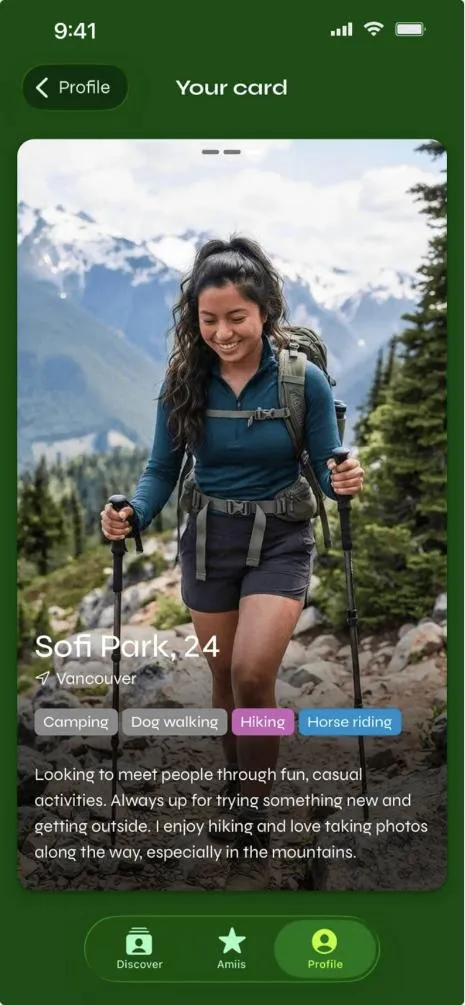
SPORTAMii helps people find partners for hiking, running, tennis, cycling and other activities by sport, skill level, distance and age. The founders came to us with an early-stage idea. We handled product discovery, UX/UI, the React Native app, the backend, launch and ongoing support.
1
codebase powering both the iOS and Android apps
2
app stores, live on the App Store and Google Play
5.0
client rating for the project on Clutch
“They genuinely cared about Sportamii and wanted the product to succeed.”
Why React Native
React Native renders real native components, so the app looks and behaves like an iOS app on iPhone and an Android app on Android. For most products, that means one team, one release cycle and one budget.
Most of the code is shared between iOS and Android. New features ship to both platforms in the same sprint, and you maintain one app instead of two.
With Expo Updates, bug fixes and content changes in the JavaScript layer reach users over the air, without a new App Store submission.
React Native uses React and TypeScript. If your web app runs on React, the same engineers, patterns and often business logic carry over to mobile.
Camera, Bluetooth, biometrics, payments or a custom SDK: when a feature needs platform code, we write a native module in Swift or Kotlin and keep the rest shared.
Services
Start with a new app, take over an existing one, or bring an older React Native project up to date.
From a planning workshop and clickable prototype to a production app in both stores. We scope an MVP that tests your idea without building features nobody asked for.
Project planning →Development builds, EAS Build and Submit pipelines, over-the-air update channels and environment management, so releases are routine instead of stressful.
React Native 0.82 and Expo SDK 55 run only on the New Architecture, and new library versions are following. We upgrade older apps step by step, replace abandoned packages and keep the app shipping during the move.
Previous agency gone or in-house developer left? We audit the code, stabilize crashes, set up monitoring and continue development without a rewrite unless one is justified.
Code review & security audit →Started the app with AI coding tools? We review what's there, fix architecture, security and data handling, and turn the prototype into an app that holds up with real users.
AI prototype to production →APIs, admin tools, payments, analytics and lifecycle email, plus maintenance after launch: OS updates, store policy changes and new features on a planned roadmap.
Full-stack development →Features we build
These are features running in production in our apps today, with the tools we use for them.
One-to-one and group messaging with read states and moderation.
Stream ChatLiveness checks and selfie-to-photo matching to keep profiles real.
AWS Face Liveness · CompareFacesPaywalls, trials and entitlements across both stores.
RevenueCatTargeted, scheduled and event-based notifications.
Expo Notifications · Firebase Cloud MessagingSearch and matching by distance, address lookup and geocoding.
Google Geocoding APIDatabase, authentication, storage and permissions ready from day one.
Nhost · Hasura · PostgreSQLShip fixes to users in hours, with separate channels for testing.
Expo Updates · EASOnboarding, transactional and re-engagement email tied to in-app events.
Klaviyo · PostmarkErrors traced to the release and line of code before users report them.
SentryChoosing a technology
We build with all three, so we recommend based on your product rather than our preference.
| Compared on | React Native | Flutter | Native (Swift / Kotlin) |
|---|---|---|---|
| Best for | Cross-platform products, especially teams with a React web app | Custom-drawn, highly branded UI across mobile, web and desktop | Apps built around one platform's newest APIs or heavy device work |
| Language | TypeScript / JavaScript | Dart | Swift for iOS, Kotlin for Android |
| UI | Real native components | Its own rendering engine | Platform UI kits |
| Codebases | One | One | Two |
| Updates without store review | Yes, via Expo Updates | Limited | No |
| Learn more | You're here | Flutter development | iOS · Android |
Not sure yet? A 30-minute call is usually enough to narrow it down. See all options on our mobile app development page, or read our Flutter versus React Native comparison.
How we work
Weekly video check-ins, daily updates in Basecamp, and designs in Figma you can comment on at any time.
Step 1
Step 2
Step 3
Step 4
Your team
You work directly with the engineers who plan, design and build your app, not with account managers.

CTO, System Architect
Sets the technical direction and architecture for every project, from the first estimate to production.

Full-Stack Developer, engineering lead
Leads engineering on client projects, from the React Native app to the backend and infrastructure.

UX, Web and Mobile Developer
Connects UX and engineering, building interfaces that feel at home on both iOS and Android.
Get started
Whatever the stage, the first step is a free consultation with a senior engineer and our product manager.
We help define the MVP and send an estimate for scope, timeline and budget.
We review the codebase and outline an upgrade or stabilization plan.
We assess what to keep and what a move to production React Native involves.
Mobile portfolio
Client reviews
First-time founders who went from concept to a public launch, with weekly meetings and fast turnaround on every issue.
An AI-built Android prototype reworked into a scalable product, with an iOS expansion roadmap.
iOS and Android owner app that centralized documentation and cut support requests.
4.9 average from 30+ reviewsRead all reviews on Clutch
FAQ
It depends on scope: the number of screens, the backend, and integrations such as chat, payments or identity verification. Most of our mobile projects fall between $50,000 and $200,000. After a free consultation we send an estimate broken down by feature, so you can decide what goes into the first release.
A focused MVP typically takes a few months from planning to both app stores. Larger products are released in stages, with a new feature set every few weeks. You get a timeline with milestones before development starts.
Yes, for the large majority of business and consumer apps. Since the New Architecture became the default, React Native talks to native code directly and renders real native components. For work that needs raw device performance, we write that part natively and keep the rest shared.
We start new projects on Expo. It gives faster builds, over-the-air updates and a maintained set of native modules, and it still lets us add custom native code through development builds. For existing bare projects, we decide case by case whether moving to Expo is worth it.
Yes. We start with a code review, then propose a plan: stabilize, upgrade React Native and dependencies, migrate to the New Architecture, or refactor the parts that slow the team down. We avoid full rewrites unless the review shows they are cheaper in the long run.
Both build iOS and Android apps from one codebase. React Native is a strong fit if you have a React web app or want native platform components; Flutter suits products with a heavily custom visual design across mobile, web and desktop. We build with both and recommend based on your product.
Yes. We prepare store listings, handle submission and review, and set up release pipelines so future updates go out quickly.
You do. Under the Copyright Act in Canada, ownership of the code transfers to you with each paid iteration, and you own all of it when the project is complete.
We offer ongoing support and maintenance: monitoring, OS and dependency updates, store policy changes and new features planned against your roadmap.
Related services
Let's talk about your idea and what it takes to get it into both app stores.
Get In Touch