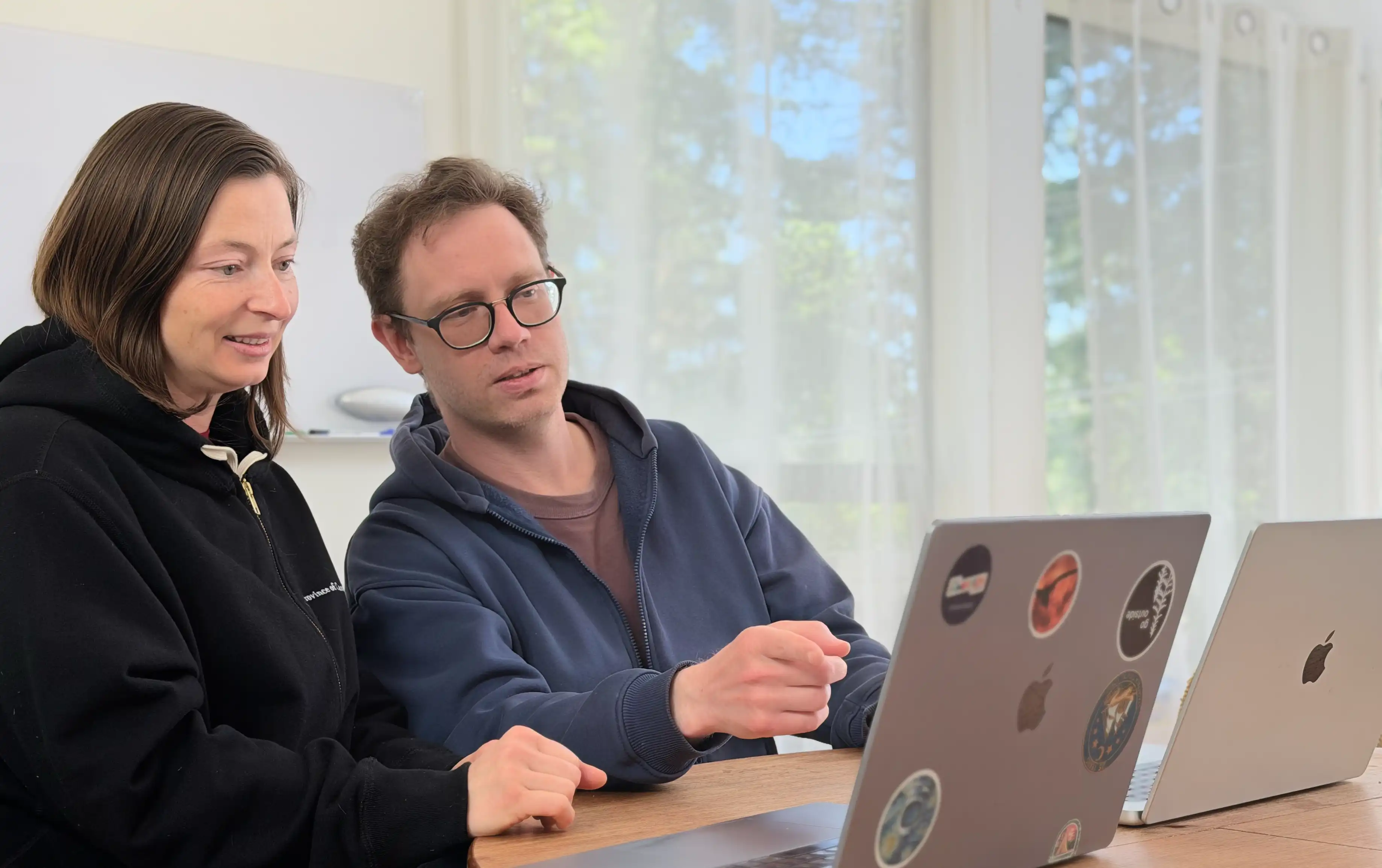
Setting Up a Gonka.ai H100 GPU Node: A Technical Journey with AI Assistance


An honest account of running a decentralized AI compute node, featuring the surprising difference between ChatGPT and Claude Code.
Insights and updates on our mobile and web development and UX-UI. Thoughts on web design and a few things we love: Node.js, JavaScript, Typescript, React, Python, Django, iOS, Android, Docker, and Kubernetes. Innovation in health and wellness app development.
An honest account of running a decentralized AI compute node, featuring the surprising difference between ChatGPT and Claude Code.
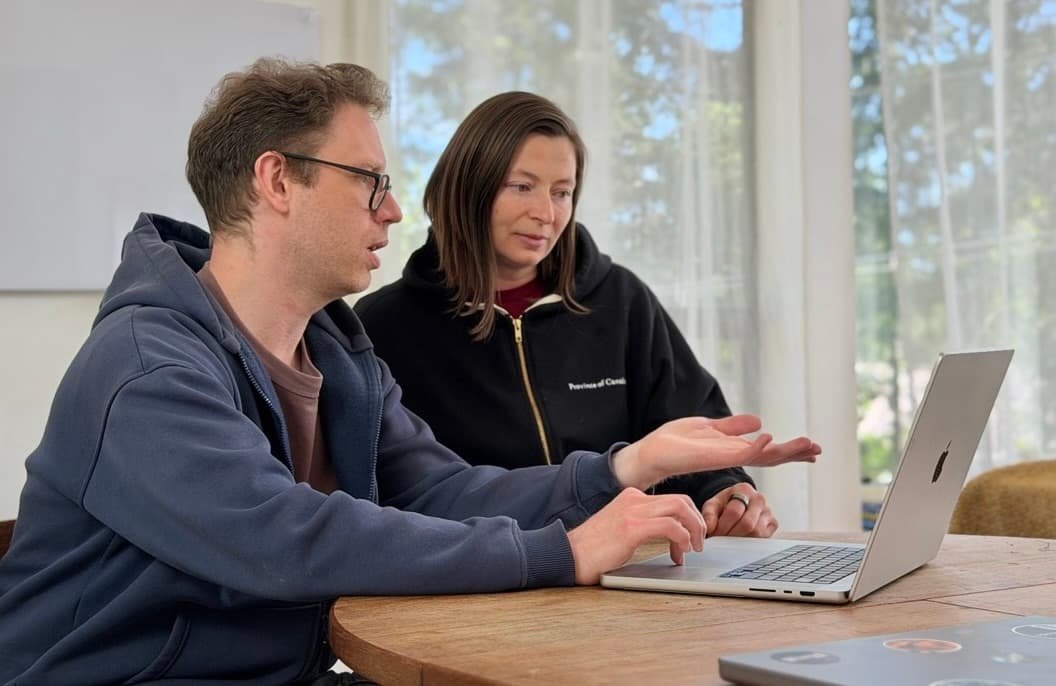
Discover how Pieoneers deployed a decentralized AI GPU node on Gonka.ai – entirely with Claude Code. From debugging Docker crashes to building a real-time monitoring dashboard in hours, see how agentic AI is transforming infrastructure development and delivering real efficiency gains for clients.
The healthcare landscape is undergoing a profound transformation, and at the heart of this revolution lies Artificial Intelligence (AI). Far from being a futuristic concept, AI is already making significant strides in improving patient care, streamlining operations, and accelerating medical breakthroughs. For decades, the idea of machines assisting doctors might have seemed like science fiction. Today, however, AI is no longer a hypothetical. From assisting with complex diagnoses to personalizing treatment plans and even powering the development of new drugs, AI is rapidly becoming an indispensable tool for medical professionals and a game-changer for patients.
In today's rapidly evolving digital landscape, Artificial Intelligence (AI) is not just a buzzword, it's a transformative force, revolutionizing how we design and experience user interfaces (UI) and user experiences (UX). As AI technologies become more integrated into design processes, they are unlocking new ways to enhance personalization, streamline workflows, and create more intuitive, engaging digital products.
This article explores the fascinating connection between AI and UX-UI design, highlighting how these two fields work hand-in-hand to build compelling user experiences. From automating tedious tasks to predicting user needs, AI is redefining the future of design.
Teresius AI is an advanced predictive analytics tool that forecasts cryptocurrency prices using deep learning neural networks. The bot provides graphical predictions for BTCUSDT, ETHUSDT, BCHUSDT, and BNBUSDT across multiple timeframes, ranging from 30 minutes to 1 week. Unlike traditional forecasting models, Teresius AI predicts specific high, low, and close values with calculated probabilities of error, visualized through root mean square errors (RMSE).
Built on historical Binance futures market data, the model continuously retrains itself as new data becomes available, enhancing its accuracy over time. While initially focused on crypto markets, the technology has potential applications in Forex trading. The bot is publicly accessible on Telegram (@teresius_ai_bot), offering traders valuable insights for informed decision-making.
As Cloudhead Games approached their 10-year anniversary, they stood at a pivotal moment in their journey. Having become a leader in the virtual reality (VR) gaming industry with groundbreaking titles like Pistol Whip and The Gallery, their vision was clear: they needed a new website that not only celebrated their success but also supported their future growth. As the company sought to expand their team and continue pushing the boundaries of VR, their digital presence had to evolve to reflect their achievements and attract top talent.
We get a lot of questions from clients about why we spell Pieoneers with an "e." Do we love pie? Are we just bad spellers? Here's the real answer!
In a world increasingly driven by software, the importance of maintaining robust security protocols in code cannot be overstated. At Pieoneers Software Inc., we recognize this imperative and dedicate ourselves to the meticulous practice of code security auditing. This guide delves into the nuances of this crucial process, combining insights from our experiences with the Jevitty Life Sciences app and Bodycomp Imaging technician platform.
At the beginning of 2020, Tanis Steward, CEO of Sosido Networks Inc, asked Pieoneers to update Sosido’s aging Ruby on Rails application. The dated Ruby 2.3.1 stack the application was based on was no longer supported by the hosting platform Heroku.
Search Engine Optimization is a popular buzzword nowadays, everyone is talking about it, everyone wants it. But how do you know if you really have it? And how do you know when it’s working? Our simple guide will help walk you through the key steps you need to consider while setting up SEO for your brand, product or website.